
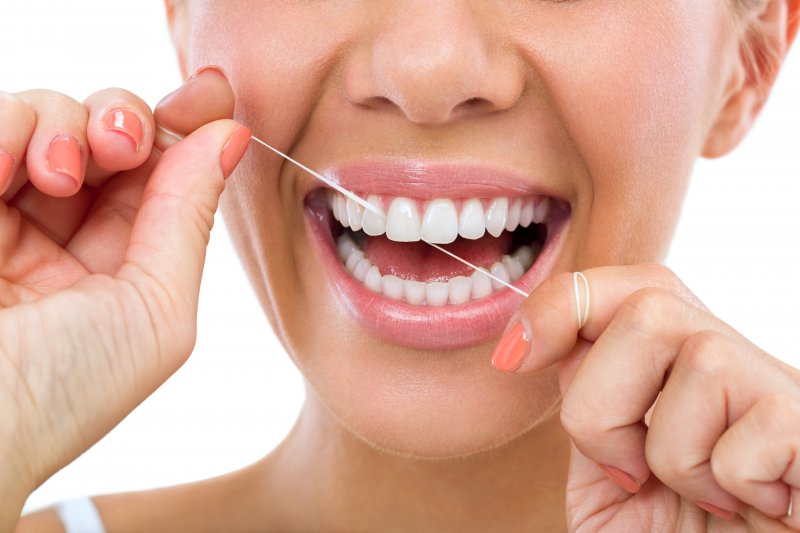
Brushing is an essential part of any oral care routine. It removes plaque and keeps your breath smelling fresh throughout the day. Routine dental visits help you catch early signs of cavities and other gum related diseases, and give your dentist a chance to clean areas of your mouth that you can’t reach. But when was the last time you flossed?
Flossing is habit needed by most and loved by few, according to a periodontist in Frisco. We’ve all heard that it’s an essential part of maintaining healthy teeth and gums. Here’s why!
(more…)
 Periodontal (gum) disease is a common problem, especially for older patients. Years of slowly degrading bone, ensuing tooth mobility and bacterial deposits often succumbs to tooth loss. For a long time, this disease also made dental implants a risky procedure. Thanks to recent advances in technology, however, it is now possible with dental implants in Frisco even if you have had periodontal disease.
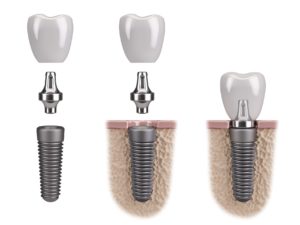 Periodontal (gum) disease is a common problem, especially for older patients. With it often comes tooth loss, as healthy bone and gum tissue are gradually lost due to bacteria buildup. For a long time, this disease also made dental implants a very risky procedure, reducing a periodontal disease patient’s ability to find a secure
  Have you noticed that your gums are red or swollen? Maybe they bleed when you brush your teeth? You could be suffering from a large epidemic that is currently affecting more than half of adults in the United States—gum disease. This is a preventable infection that occurs in the gum tissue, often due to poor oral hygiene habits. While it is easily treatable and reversible in the early stages, too many allow it to go untreated because they fail to recognize the symptoms of gum disease in Frisco. Without the right care, it will cause serious complications for your oral and general health.
 Do you suffer from gum disease? If so, you are not alone. In fact, the Centers for Disease Control and Prevention estimates that at least 50% of adults in the United States have periodontal disease. This infection develops in the gum and bone tissue, often due to poor homecare and lack of professional care. When left untreated, it can cause significant complications with your dental health such as: bleeding/swollen gums, gum recession, tooth mobility, and inevitable tooth loss. However, periodontal disease may also impact your general health, leading to serious medical issues like cardiovascular disease. To protect your oral and overall health, it is best to undergo
  Each year, we are learning more about the significant impact gum disease takes on overall health. We already know diabetes is a risk factor for this chronic inflammatory oral — but relatively new research also says having gum disease may be associated with cognitive disorders such as Dementia and Alzheimer’s disease. In fact, people with gum disease are more likely to develop the former as those who do not. Keep reading to learn more about how gum disease can affect your memory… and what you can do to prevent these scary side effects.
 Periodontal disease is a serious condition that affects far too many people in the US. According to the
  Diabetes is a chronic disorder affecting more than 24 million Americans. This disease causes a decrease production of insulin, a necessary hormone to convert sugars and starches into energy needed to survive. This metabolic alteration causes increased blood sugar levels and major body complications. These symptoms include visual and kidney impairment, sensory impairment, atherosclerosis, and impaired wound healing. Oral symptoms also include bone and gum disease, known as periodontal disease. Periodontal disease appears to co-exist with the diabetic patient and is known as a major risk factor for gum and bone disease. As research on the subject continues, the stronger the evidence becomes showing that patients with diabetes (more specifically uncontrolled diabetes) are more likely to suffer from periodontal disease. Keep reading to learn more about the links between periodontal (gum) disease and diabetes.